I've had clients ask me to compare two cruises that were, on paper, sailing almost the same route. Same region, similar price, similar length. What made them completely different trips was the ship.
Size changes everything. Not just the amenities, the whole rhythm of the day.
What a large ship actually gives you
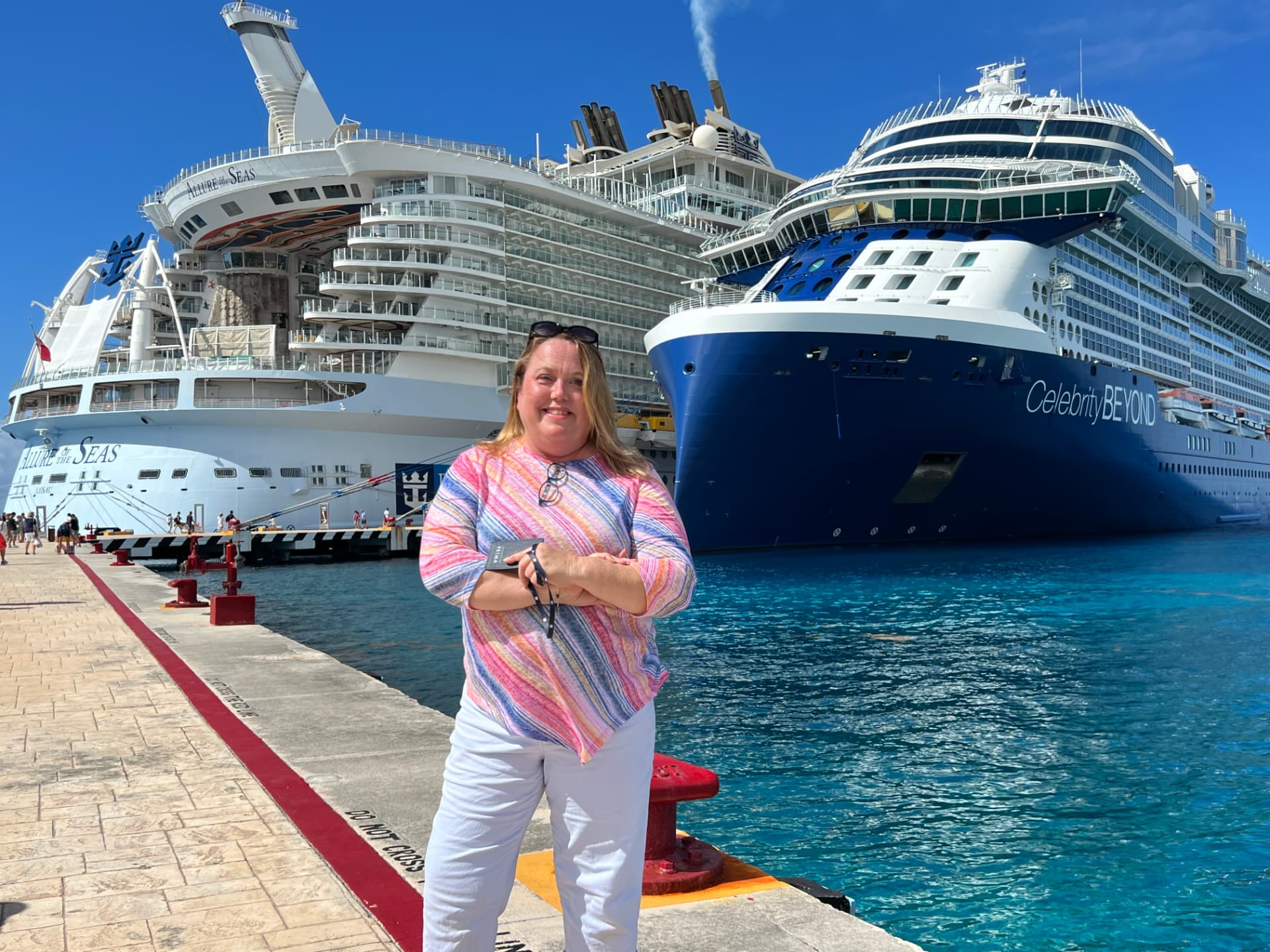
Think 2,000 to 5,000 passengers. Multiple restaurants, a full entertainment lineup, pools, a spa, and enough going on that you could spend a full sea day without leaving the ship.
Large ships also tend to be the better value. More cabin categories means more price points, and competition between the big lines keeps rates reasonable.
They work well for groups with different interests. Someone wants trivia and a show, someone else wants a quiet book on the balcony, a big ship gives everyone something without anyone compromising.
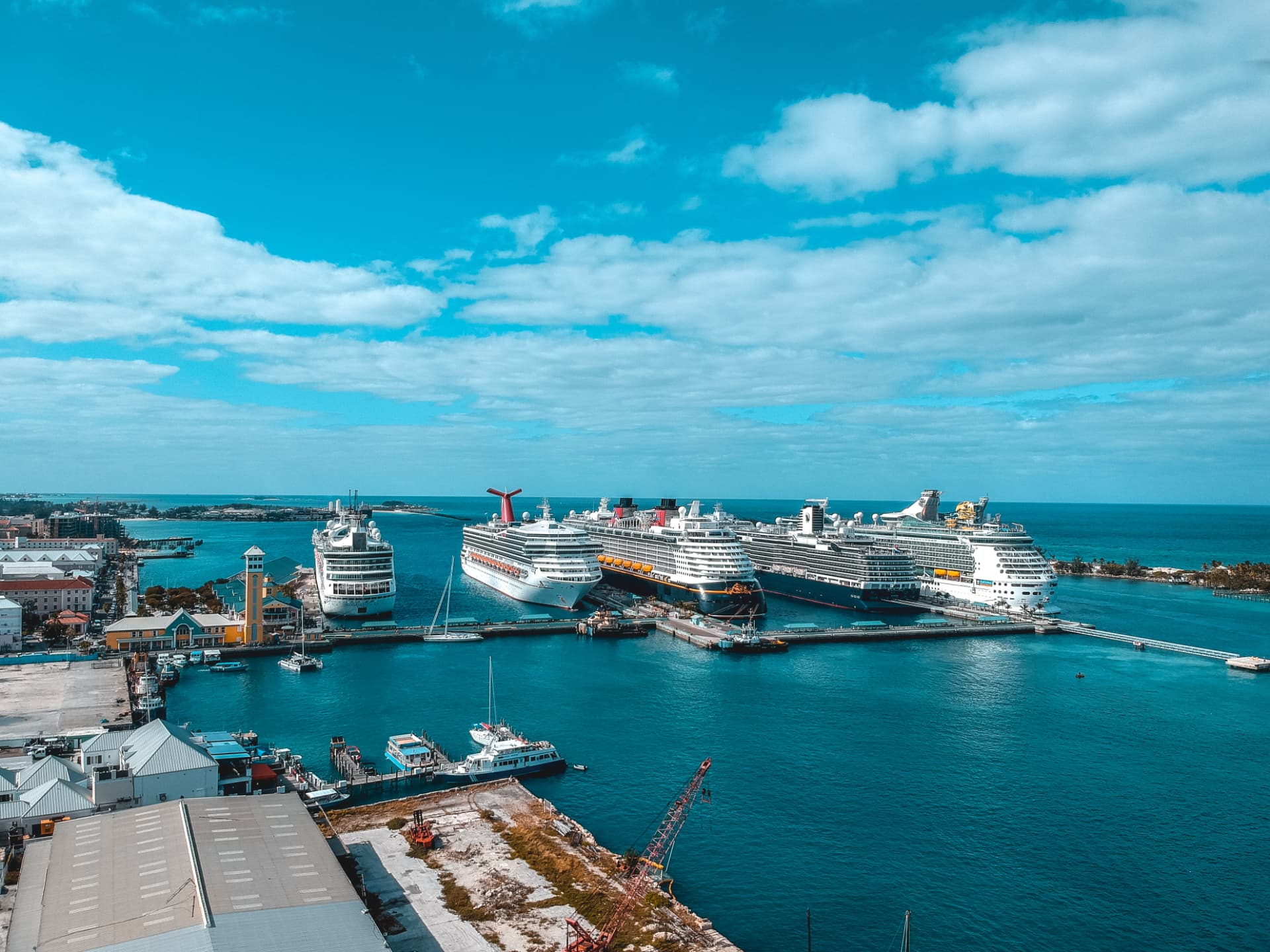
The tradeoff is access. Big ships are built for major ports and wide channels. They can't get into the narrow, quiet places a smaller vessel can reach.
What a small ship actually gives you
Usually under 250 guests, sometimes far fewer.
What you're paying for isn't amenities, it's access and pace. Smaller ships can get into coves, fjords, and remote harbors that larger ships never see. Wildlife tends to be more visible, and shore excursions feel personal instead of like a logistics operation.
The days move slower. Fewer people means more time with the crew and naturalists, and itineraries that can flex around what's actually happening outside, whether that's a pod of dolphins or a shift in weather.
The tradeoff is cost and comfort. Cabins are simpler, and there's a lot less to do on board if you end up with a stretch of open water and no land in sight.
The real question to ask yourself
It's not really "which ship is better." It's "what do I want this trip to be about."
If the answer is relaxation, variety, and options for everyone in the group, a larger ship usually wins.
If the answer is the destination itself, getting close to it, seeing it quietly, not just passing by it, a smaller ship is worth the extra cost.
And if you're not sure yet, that's normal. Most people aren't choosing a ship first. They're choosing a kind of trip, and the ship is just where that choice leads them.
That's the conversation I have with almost every client before we ever look at a specific cruise line. Get the size and pace right, and the rest of the planning gets a lot easier.
If you're trying to figure out which direction fits you, that's exactly what I'm here to help with.