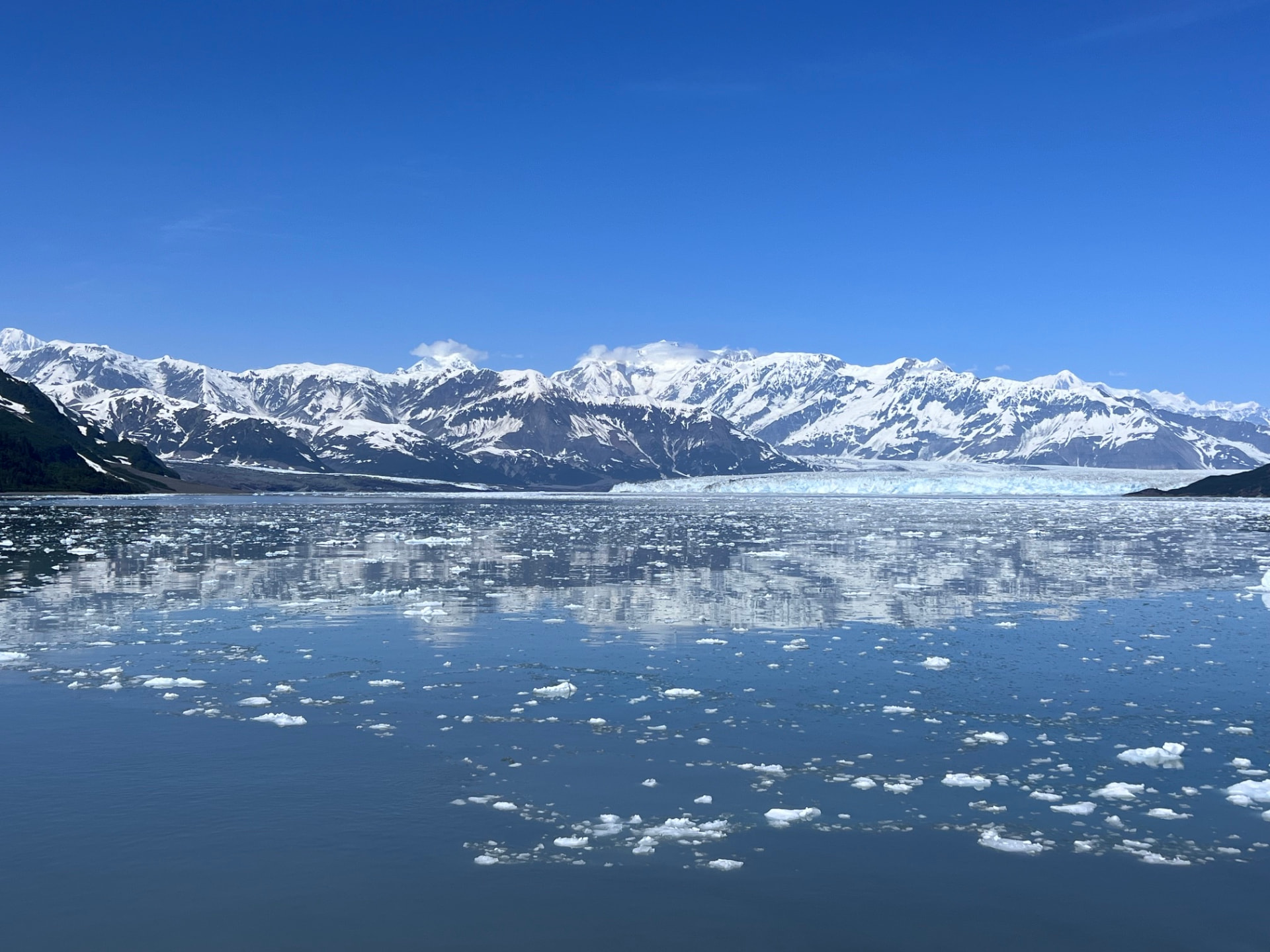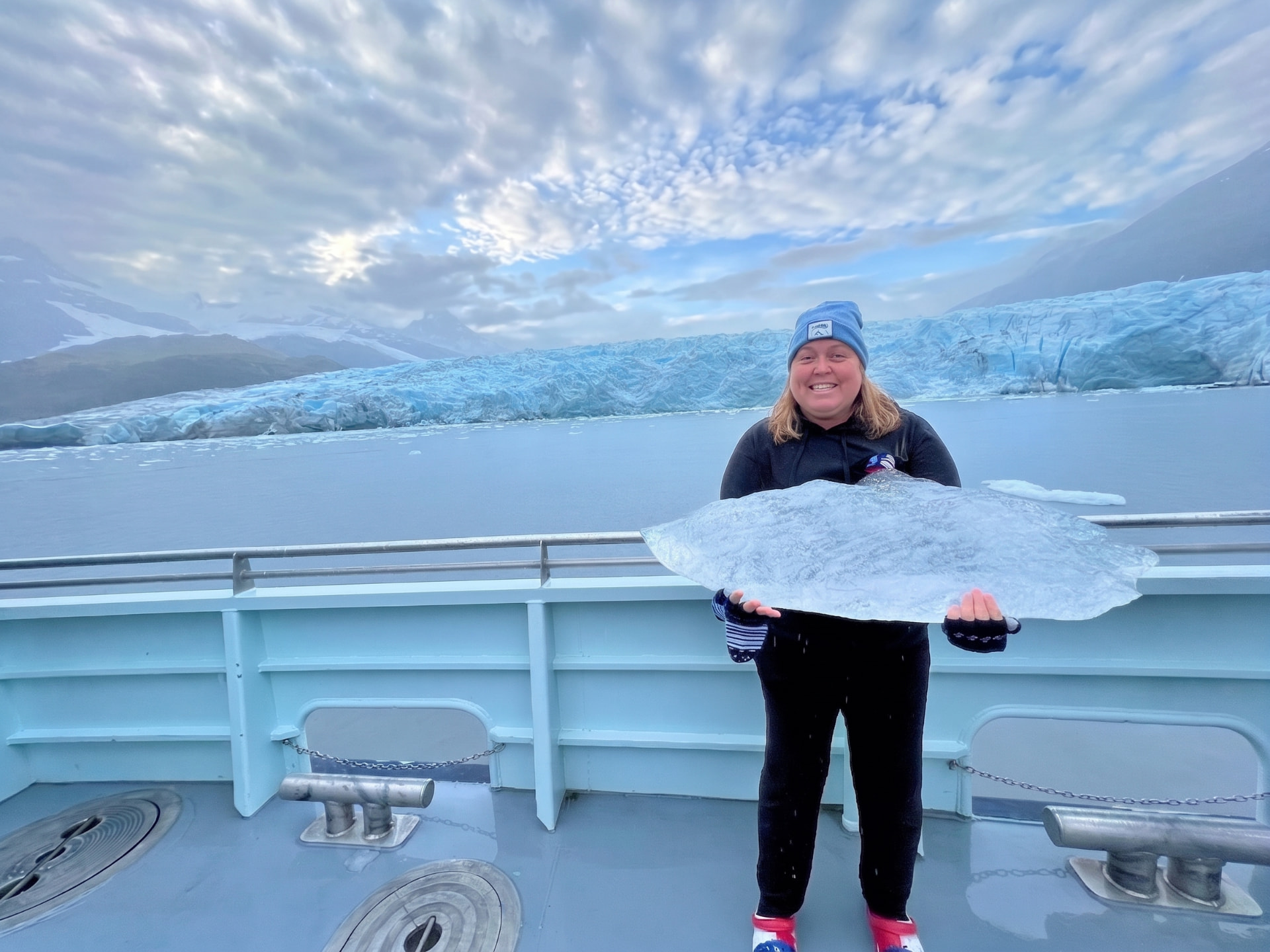
Alaska cruise planning changes dramatically after you’ve experienced the destination more than once. I’ve now traveled to Alaska six times, and every trip has taught me something different about choosing the right cruise, excursions, and itinerary.
Some people might assume that after six visits, Alaska would begin to feel familiar. In certain ways, it does. I recognize ports. I understand the rhythm of an Alaska cruise. I know how quickly the weather can change and how different an itinerary can feel depending on the ship, the route, the time of year, and the excursions chosen.
But I have never experienced Alaska the same way twice.
The glaciers, mountains, and waterways may remain, but the people traveling with me have changed. Each journey has had different priorities, abilities, expectations, and challenges.
That has taught me something important:
The destination is only one part of the journey. The people taking it change everything.
Returning to Alaska with different travelers
Each of my six Alaska journeys has allowed me to see the destination through a different lens.
What feels exciting to one traveler may feel overwhelming to another. What one person considers an easy walking tour may be physically demanding for someone else. One traveler may want to fill every day with wildlife excursions and outdoor adventures, while another may be perfectly happy watching the scenery from the ship.
Even travelers in the same family can want and need very different things from the same vacation.
That was especially clear on my most recent Alaska journey.
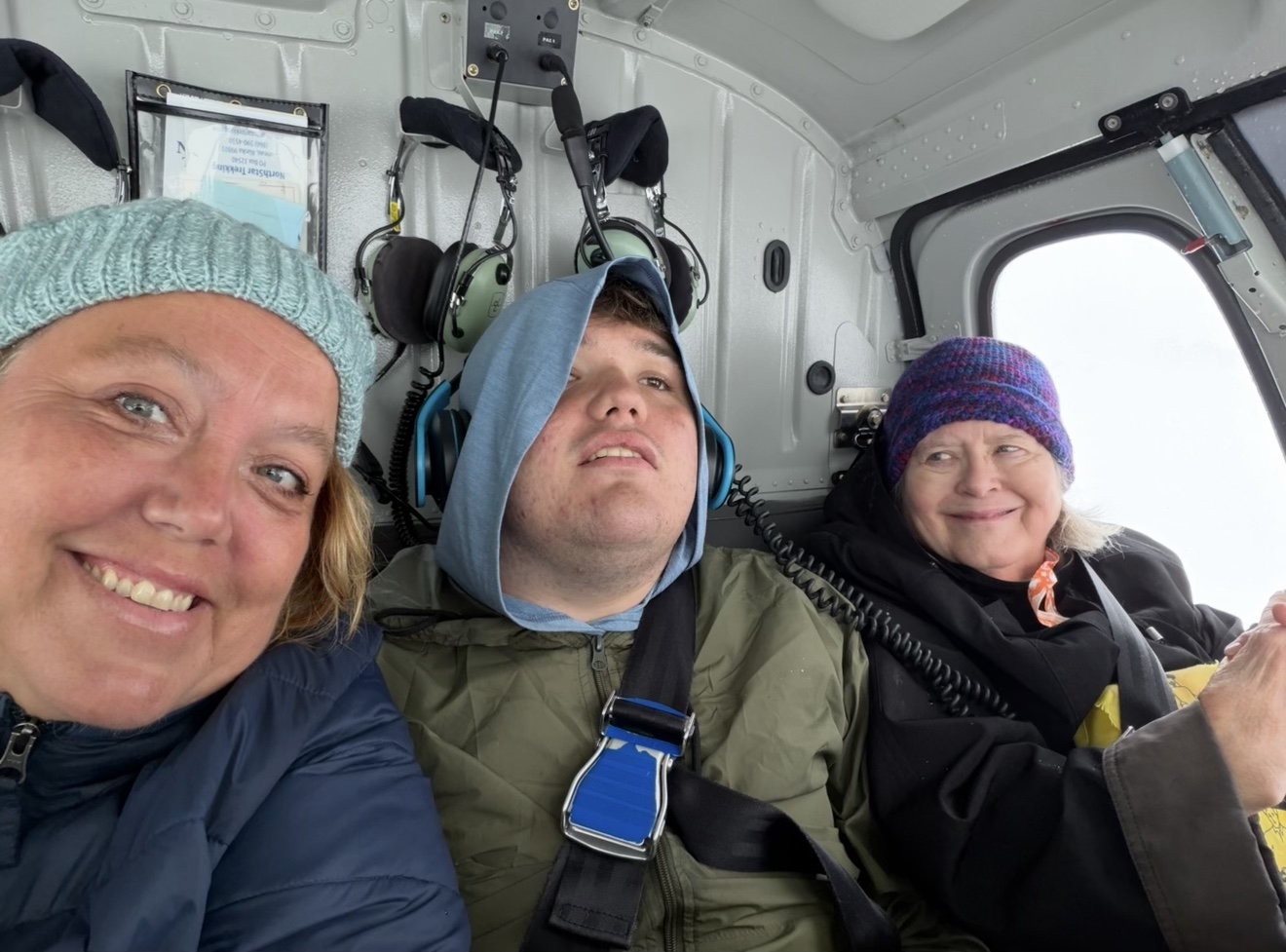
This time, I traveled with my 20-year-old son, Andrew, who has special needs, and my mother, who is hard of hearing and has limited mobility.
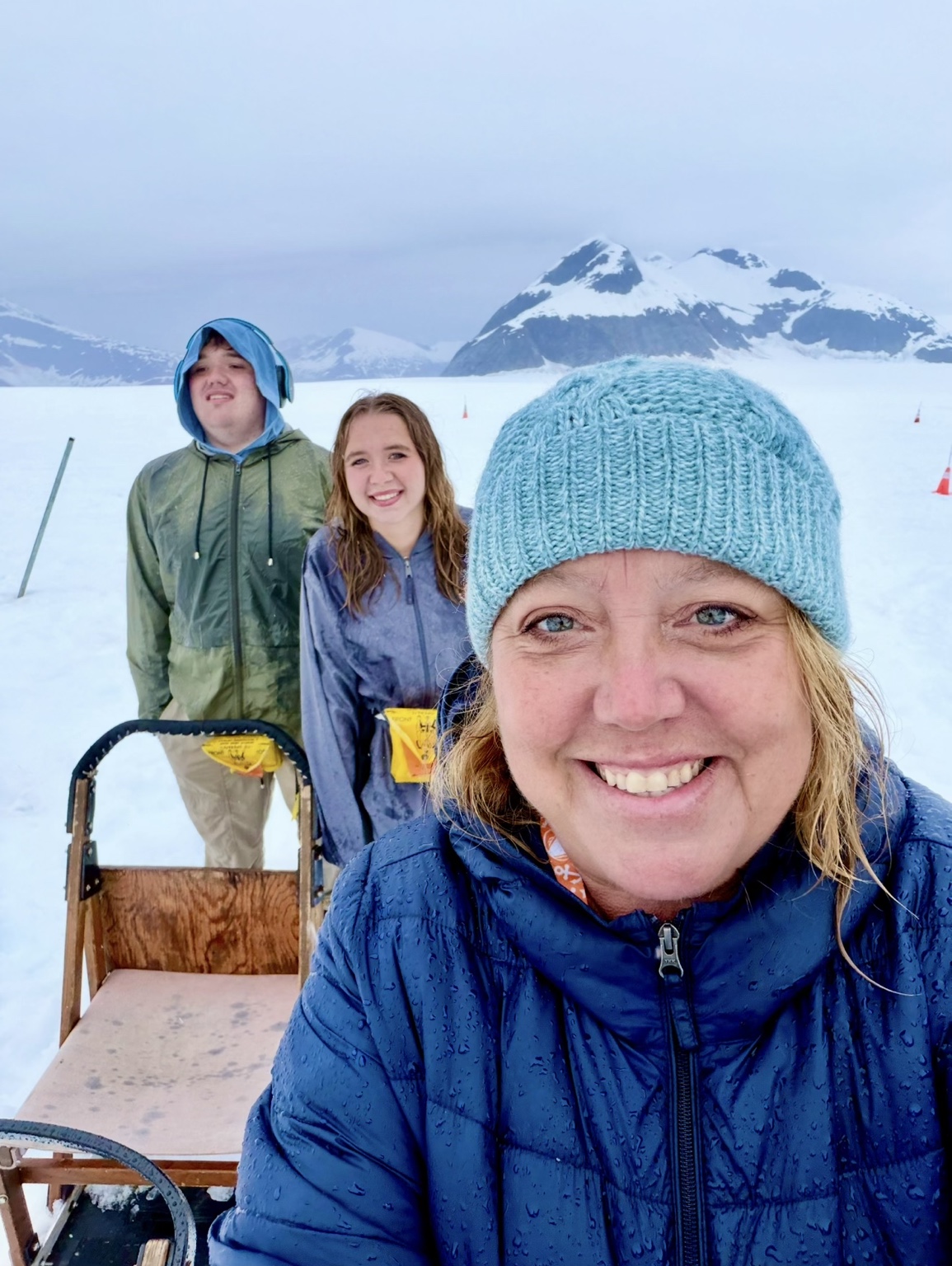
It was a multigenerational family trip, but it was also much more than choosing activities that would appeal to three generations. I had to consider how each part of the journey would work for each person.
Planning for the people, not just the destination
Traveling with Andrew requires preparation that many families never have to consider.
Unfamiliar environments, changes in routine, crowded terminals, transitions between locations, long waits, and sensory stimulation can all affect how he experiences a trip. An activity may sound wonderful, but I still have to determine whether the transportation, timing, crowds, and pace surrounding it will work for him.
My mother had different needs.
Limited mobility affected how far she could comfortably walk, how quickly we could move through airports and cruise terminals, and which excursions were realistic. Her hearing loss meant that announcements, tour commentary, and instructions could easily be missed, particularly in crowded or noisy environments.
The journey had to be planned with greater care because their needs were different, but equally important.
That required looking beyond the destinations printed on the itinerary. I had to think about airport assistance, hotel location, walking distances, terminal procedures, excursion transportation, accessibility, waiting times, rest periods, and what we would do if the day became too demanding.
I also had to accept that the best day for our family might not resemble the most impressive day in a brochure.
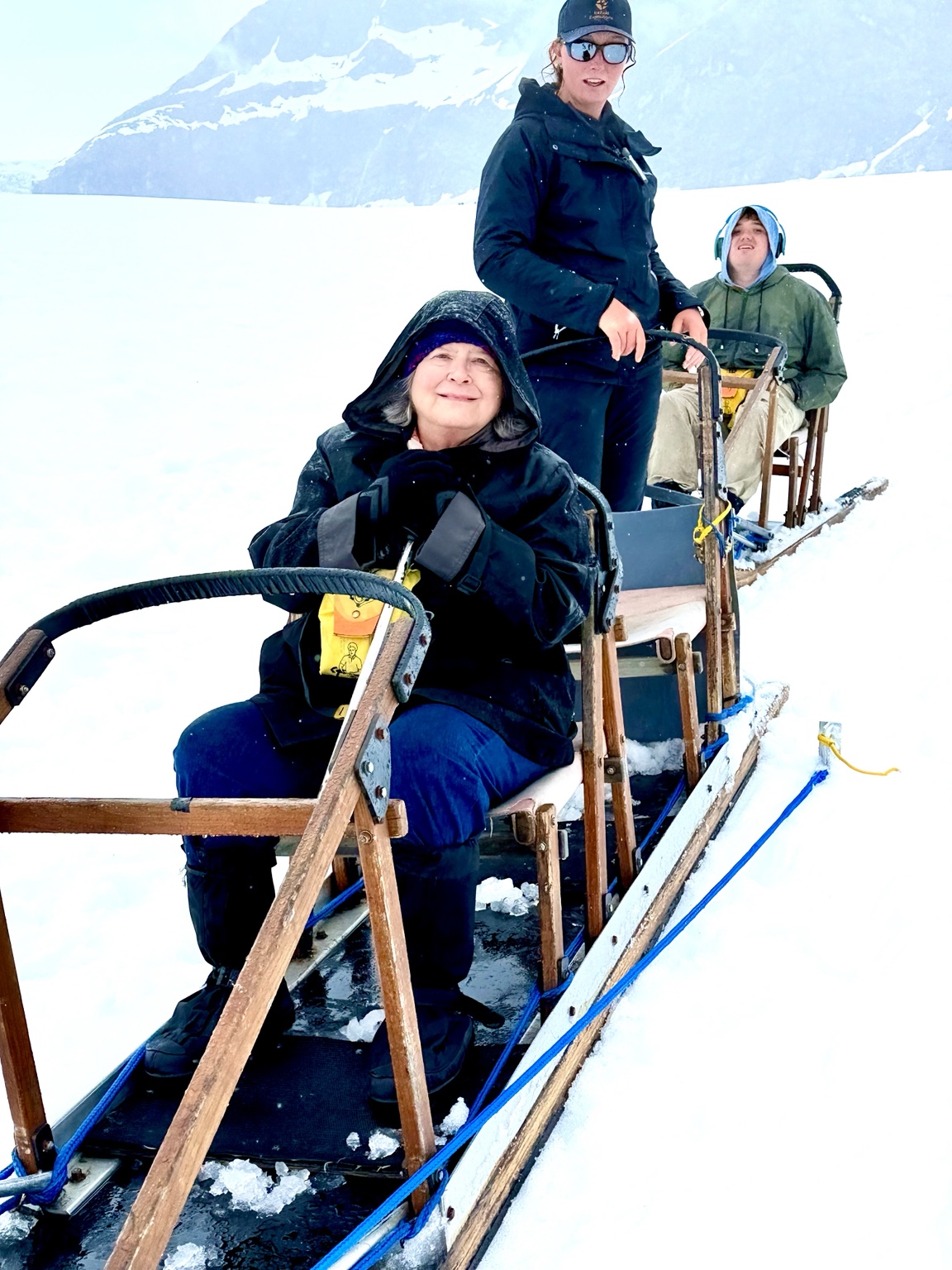
What “accessible” means in the real world
The word “accessible” can suggest that an experience will work for everyone who has a mobility, sensory, hearing, cognitive, or developmental consideration.
In practice, accessibility is rarely that simple.
An excursion may be described as accessible, but that does not answer every question a traveler needs to ask.
How far is the walk from the ship to the transportation? Are there steps when boarding? Is the ground paved, gravel, or uneven? How long will someone need to stand? Is there a place to sit and rest? Can a wheelchair or mobility device be accommodated? Will instructions be delivered only verbally? How crowded or noisy will the experience be? Is there flexibility if a traveler needs to leave early?
A traveler can technically be permitted to participate and still find that the experience does not realistically meet their needs.
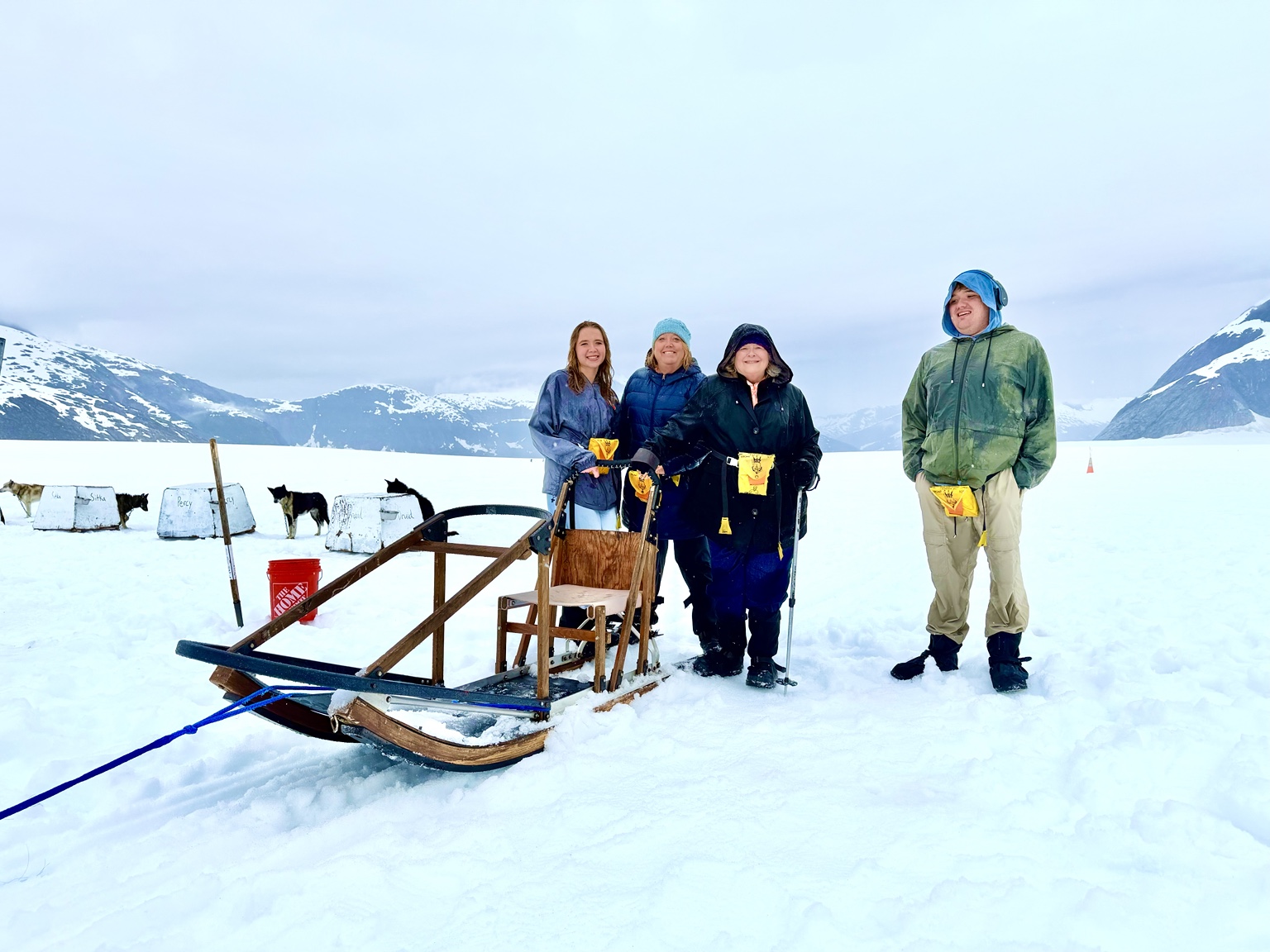
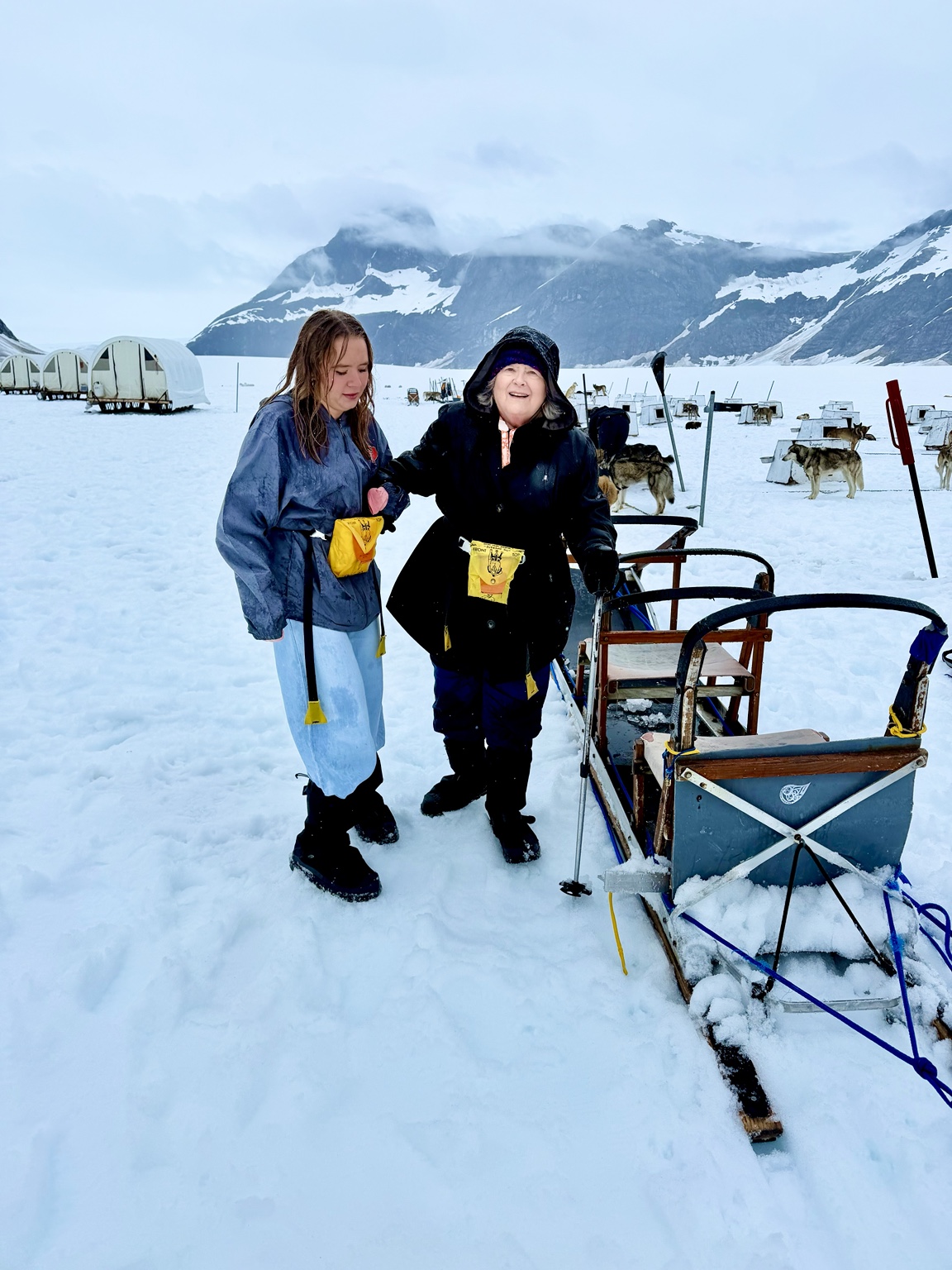
That distinction matters.
It is one of the reasons a list of accessible options is not enough. The advisor, traveler, supplier, and sometimes the cruise line’s accessibility department may need to ask more specific questions before determining whether something is truly appropriate.
Alaska is not one experience
People often speak about “an Alaska cruise” as though it were a single type of vacation.
It is not.
An inside-passage sailing can be very different from an itinerary that travels farther north. A round-trip cruise from Vancouver or Seattle creates a different experience from a one-way sailing paired with time on land. Visiting Denali changes the pace and logistics of the journey. The choice of ship can influence the atmosphere, onboard experience, walking distances, and number of guests sharing each space.
The departure port matters too.
A hotel that is merely convenient for one traveler may be essential for someone with limited mobility. A tightly scheduled embarkation morning may feel manageable to an experienced traveler and deeply stressful to someone navigating a cruise terminal for the first time.
Excursion choices can change the trip entirely. One family may dream of flightseeing, kayaking, and wildlife encounters. Another may prefer scenic rail journeys, gentle sightseeing, and time to enjoy Alaska from the ship.
None of these is the universally correct way to experience Alaska. The right choice depends on the people taking the journey.
Five questions I ask every Alaska traveler before recommending a cruise
After six trips, I’ve learned that choosing an Alaska cruise starts long before selecting a ship.
These are some of the questions I ask every client:
- Is this your first Alaska visit, or are you returning?
- Do you picture active adventure or scenic relaxation?
- How comfortable are you with walking, stairs, and uneven terrain?
- Are wildlife, glaciers, culture, or luxury experiences your highest priority?
- Would you enjoy adding a land tour before or after your cruise?
The answers shape nearly every recommendation that follows, from the itinerary and cruise line to the excursions and even the departure port.
What six visits have taught me
Six trips to Alaska taught me more than the destination. They taught me to ask better questions.
To look past the name of the ship. Past the list of ports.
Hotel location, embarkation logistics, transportation, physical demands, pacing, small operational details. All of it shapes the trip more than people expect. And personal experience alone isn’t enough. Good planning takes more than that.
No travel advisor can experience every ship, hotel, excursion, or possible itinerary. Good recommendations also require ongoing education, supplier relationships, professional networks, client feedback, research, and the willingness to ask additional questions when a traveler’s needs are not fully addressed by a standard description.
My role is to understand the travelers, evaluate the options, uncover the details that matter, and help determine which experience is most appropriate for them.
The journey should fit the traveler
Six journeys to Alaska have taught me there’s no one perfect way to experience it.
The right Alaska journey depends on who is traveling, what they want to experience, how they move through the world, and what they need to feel comfortable, confident, and included.
That is the perspective I bring to the Alaska journeys I plan. The people taking the trip come first. From there, I evaluate the ships, itineraries, and land experiences that best fit them.
Whether Alaska is your once-in-a-lifetime bucket-list journey, your first visit, or a destination you are ready to experience in a new way, choosing the right experience begins with understanding what you need from it.
If you are weighing Alaska options right now, I built a short walkthrough that asks the same kinds of questions I ask my own clients, covering route and itinerary choices, Denali, excursion pacing, and accessibility considerations. Try the Alaska Cruise Decision Finder.