If Glacier Bay is the reason you are going to Alaska, choose the itinerary first and the ship second. If what excites you most is seeing one enormous tidewater glacier up close, Hubbard may be the better fit.
The glacier is not the only thing you're choosing. That decision can change your route, ports, cruise line, and the overall shape of your Alaska trip.
I've traveled to Alaska many times and helped numerous clients plan Alaska cruises and land journeys, so I know how different two cruises that look almost identical on paper can feel once you compare the whole itinerary.
The important differences are often the ones you don't know to compare yet.
Glacier Bay and Hubbard Glacier are both spectacular, and neither is automatically the better choice. Glacier Bay is a national park with tightly managed access and a genuinely unique scenic day. Hubbard Glacier is the largest tidewater glacier in North America and delivers scale and drama in a different way. I look at the whole itinerary around each one before deciding which fits a traveler better.
Why this comparison comes up so often
Glacier Bay gets more attention than almost any other single detail in Alaska cruise marketing, and for good reason. It's a national park, access is limited, and the scenery genuinely earns the hype.
That reputation can make it feel like the only "real" glacier day worth having. It isn't.
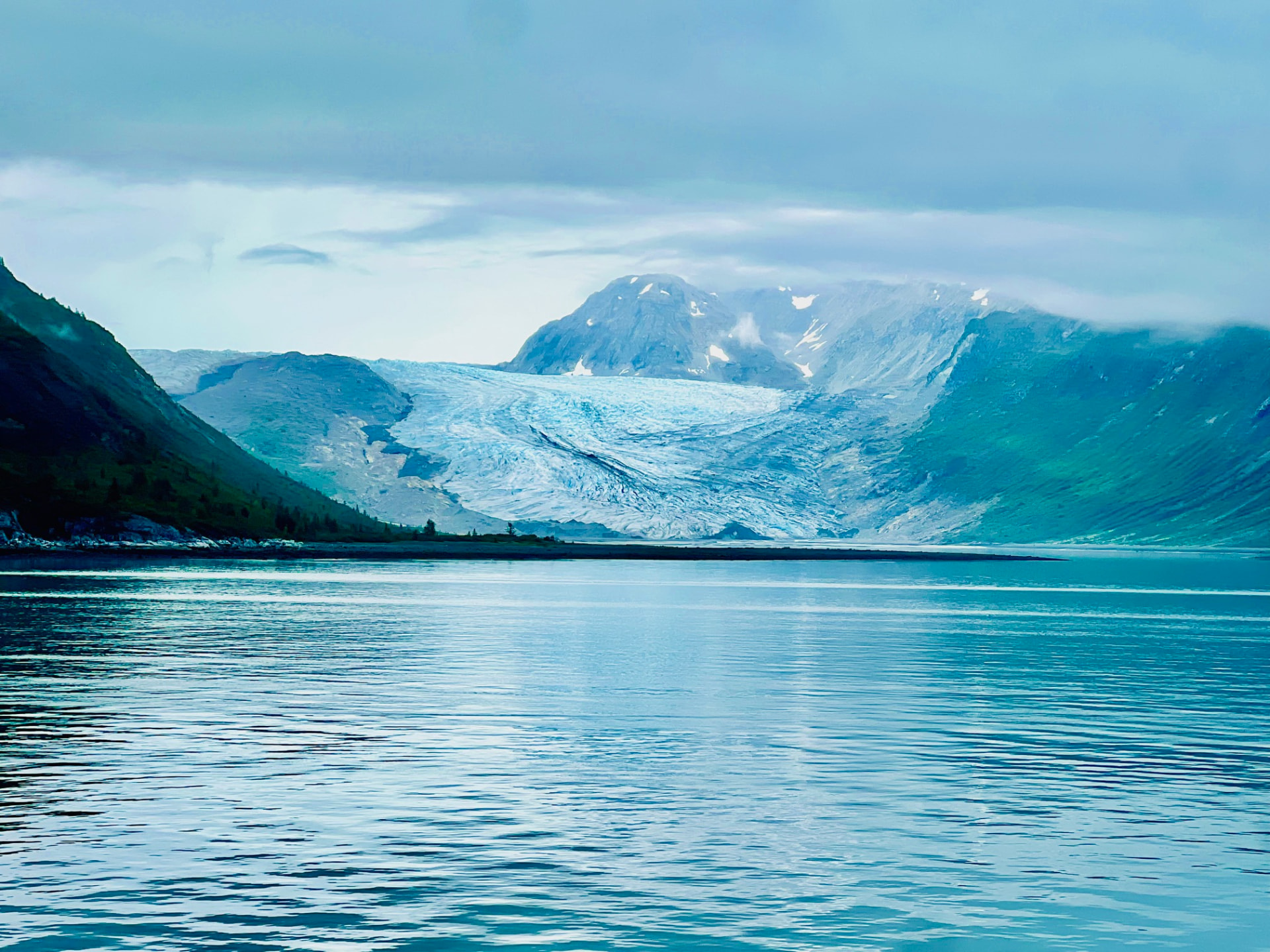
What makes Glacier Bay Glacier Bay
Glacier Bay National Park and Preserve limits how many cruise ships can enter on any given day, which keeps the experience from feeling crowded. Once inside, the ship spends the day slowly moving through the bay, with National Park Service rangers often coming aboard to narrate the scenery and wildlife.
It's a full scenic day built around the park itself, tidewater glaciers, mountains, and wildlife sightings that can include whales, seals, and bears along the shoreline.
Not every Alaska cruise itinerary includes Glacier Bay. Access is limited by permit, so it's worth confirming it's actually included before assuming it is.
What makes Hubbard Glacier different
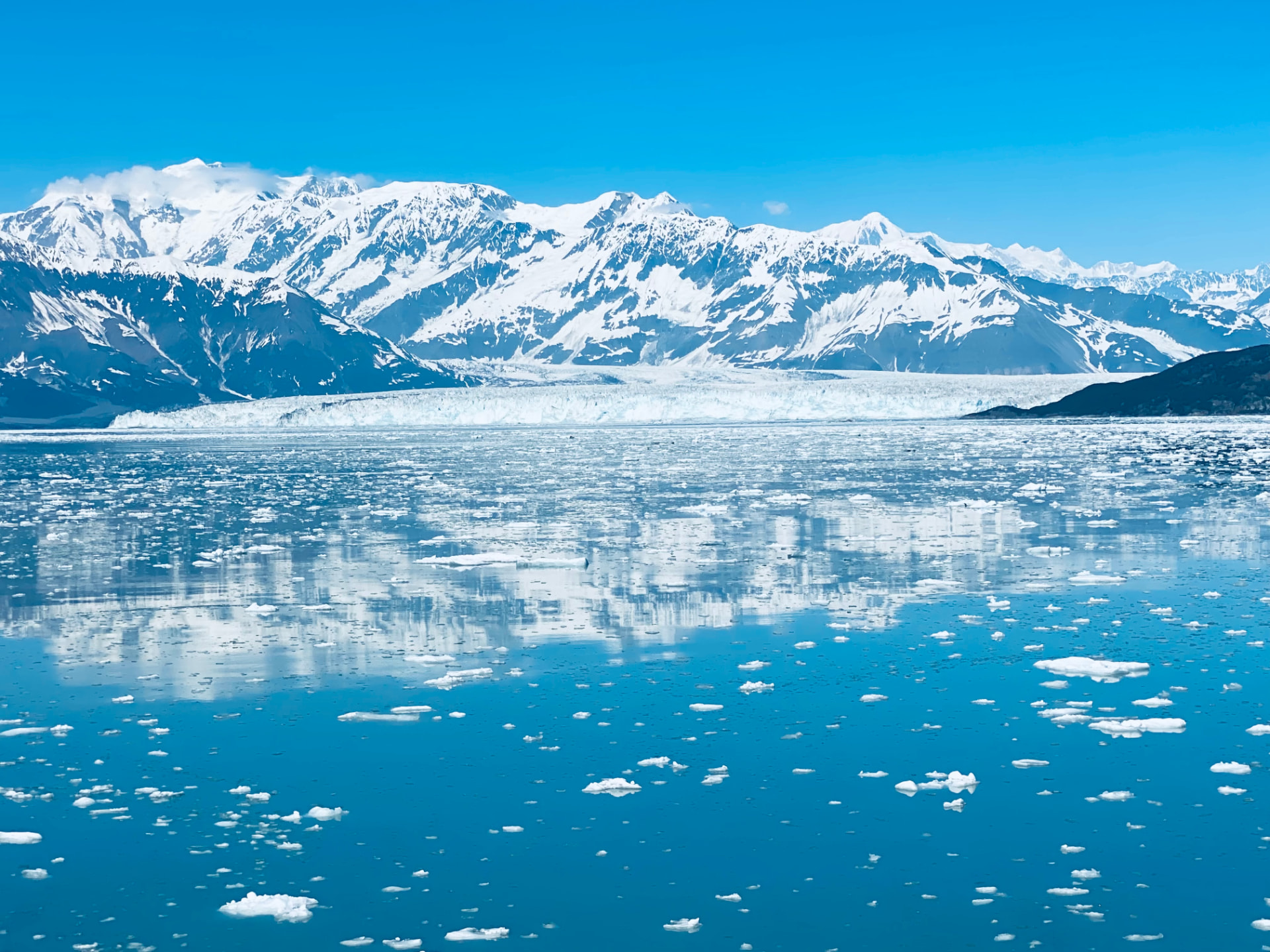
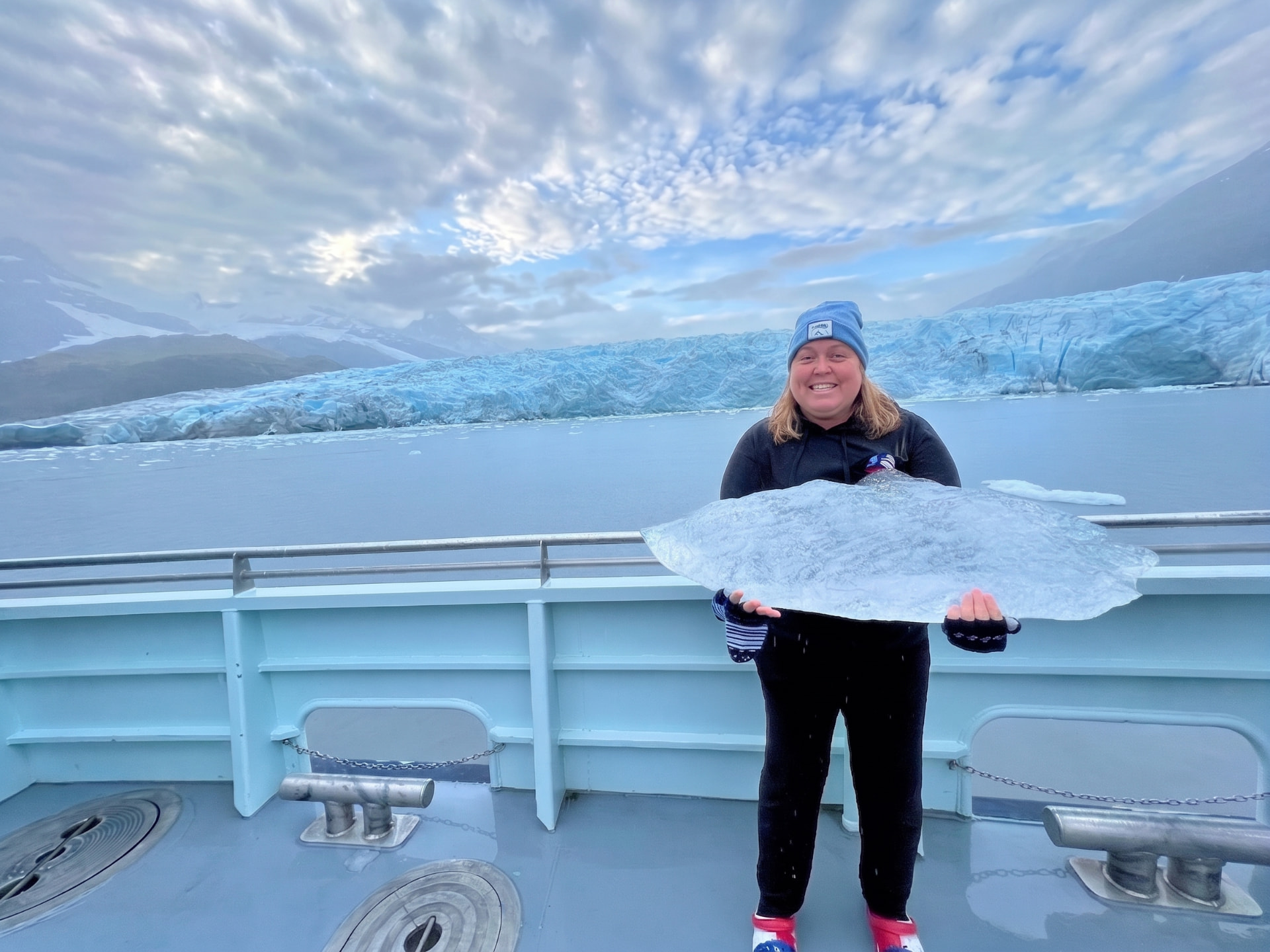
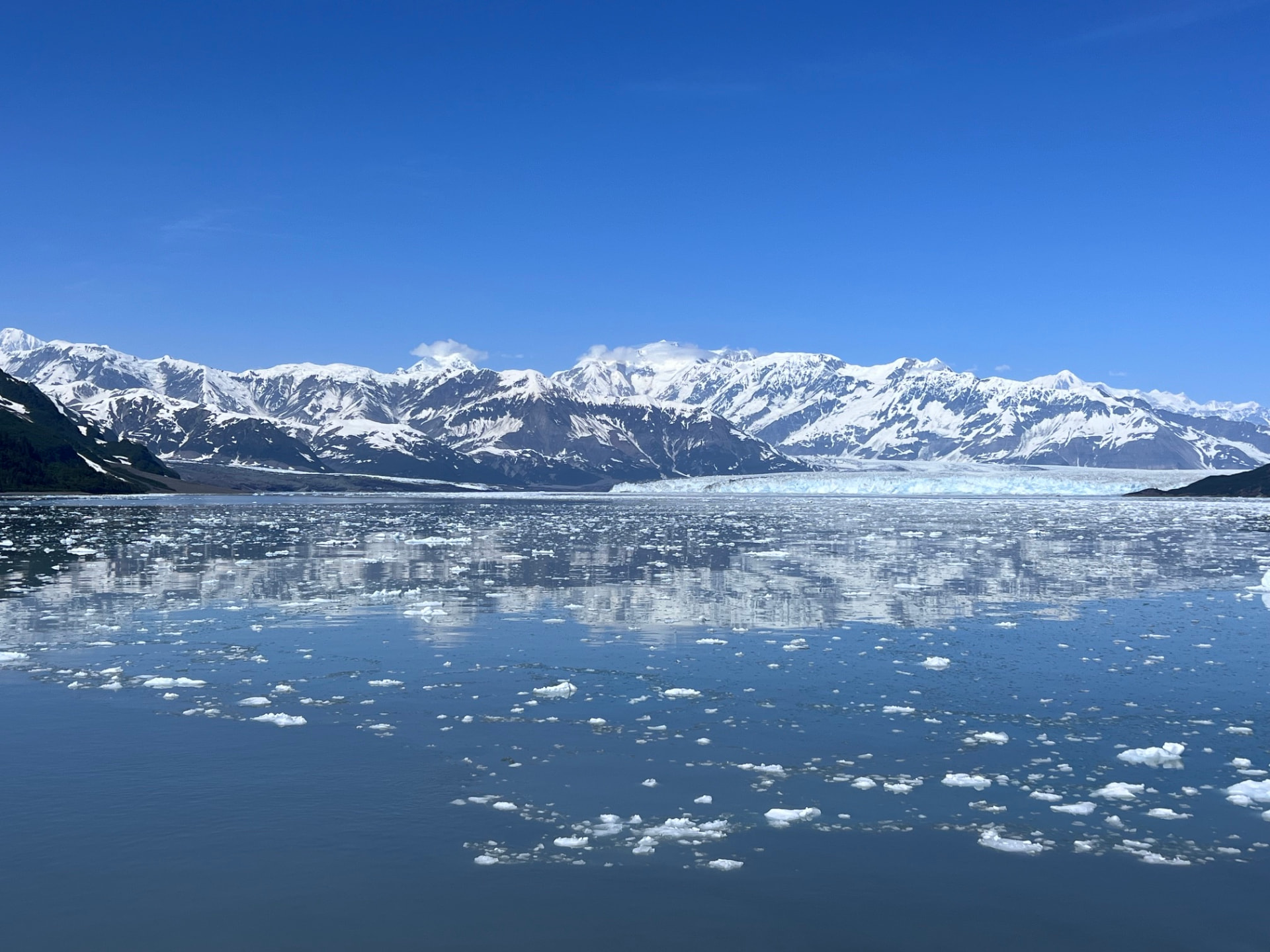
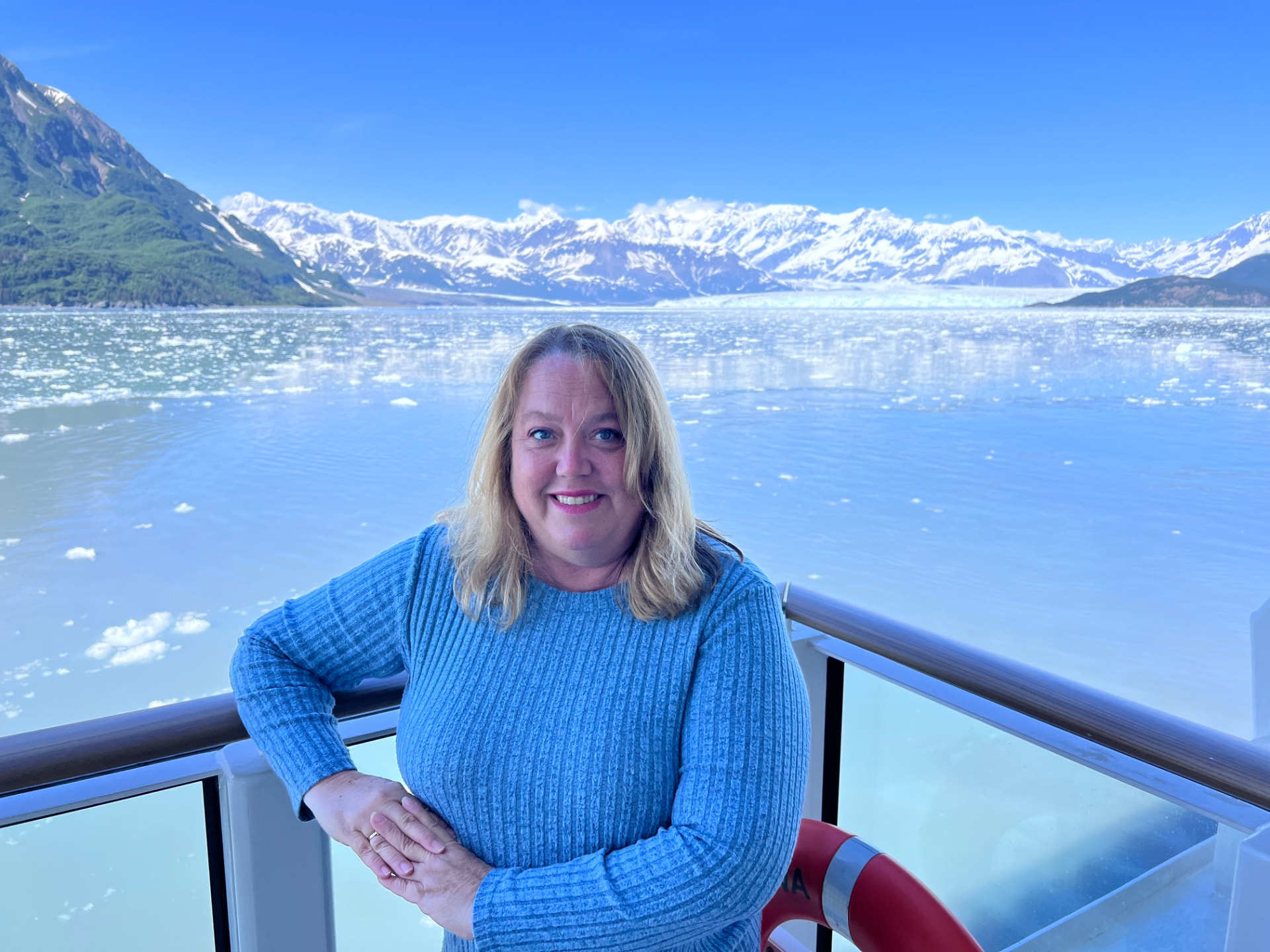
Hubbard Glacier sits near Yakutat Bay, and it's enormous, roughly 76 miles long, with a face that can rise several hundred feet above the water. It's also one of the few glaciers in Alaska that's still advancing rather than retreating, which means active calving, chunks of ice breaking off into the water, is a real possibility.
Ships typically approach Hubbard Glacier through Disenchantment Bay, and the scale of it is the main draw. Where Glacier Bay is a full day of varied scenery, a Hubbard Glacier visit tends to be a dramatic, focused encounter with one enormous glacier face.
Hubbard Glacier commonly appears on one-way itineraries connecting to Seward or Whittier, which matters if a land extension into Interior Alaska is part of the plan.
How I actually compare them for a client
I don't start with "which glacier is better." I start with the itinerary as a whole.
Routing. Glacier Bay itineraries tend to be round-trip sailings from Vancouver or Seattle through the Inside Passage. Hubbard Glacier often shows up on one-way, cross-gulf itineraries. If a land tour or a specific departure city matters to you, that alone can point toward one glacier over the other.
Port time elsewhere. The itinerary built around each glacier affects how much time you get in Juneau, Ketchikan, Skagway, or Sitka. A stronger overall itinerary with Hubbard Glacier can outweigh a weaker one that happens to include Glacier Bay.
What you actually want from the day. If you want a full day of varied scenery and wildlife with park ranger narration, Glacier Bay delivers that specific experience. If you want the sheer scale and drama of one massive, active glacier face, Hubbard Glacier delivers that instead.
My honest take
If two itineraries are otherwise very similar, Glacier Bay is a genuinely strong reason to pick one over the other. It's a special, tightly managed experience that not every cruise offers.
But I don't treat it as a non-negotiable checkbox. An itinerary built around Hubbard Glacier that gives you better port times, a stronger overall route, or a more natural connection to a land extension deserves a real look, not an automatic pass just because it isn't Glacier Bay.
Both are real Alaska experiences. The right one depends on the rest of the trip around it. If you're curious about my own personal favorite, I'll admit it: Hubbard wins for me. There's something about that massive wall of ice that stays with you.