Short answer: I choose the itinerary before I choose the ship, every time. The route determines which glaciers you'll see, which ports you'll visit, how much time you'll actually spend ashore, and whether a land extension even makes sense. A beautiful ship on the wrong itinerary is still the wrong trip.
Why the ship isn't the first decision
Most people start Alaska cruise planning by picking a cruise line they've heard of, then looking at what itineraries that line happens to offer.
I do the opposite.
I start with the itinerary, because that's what actually determines the experience. The ship affects your onboard comfort. The itinerary determines whether you'll see Glacier Bay or Hubbard Glacier, whether you'll have a full day in Skagway or a rushed afternoon, and whether Denali is even a realistic add-on.
Two ships can sail what looks like "the same" Alaska cruise on paper and still deliver very different trips, because the details inside that itinerary, port order, time in each place, glacier access, aren't identical just because the route name sounds similar.
What I actually look at
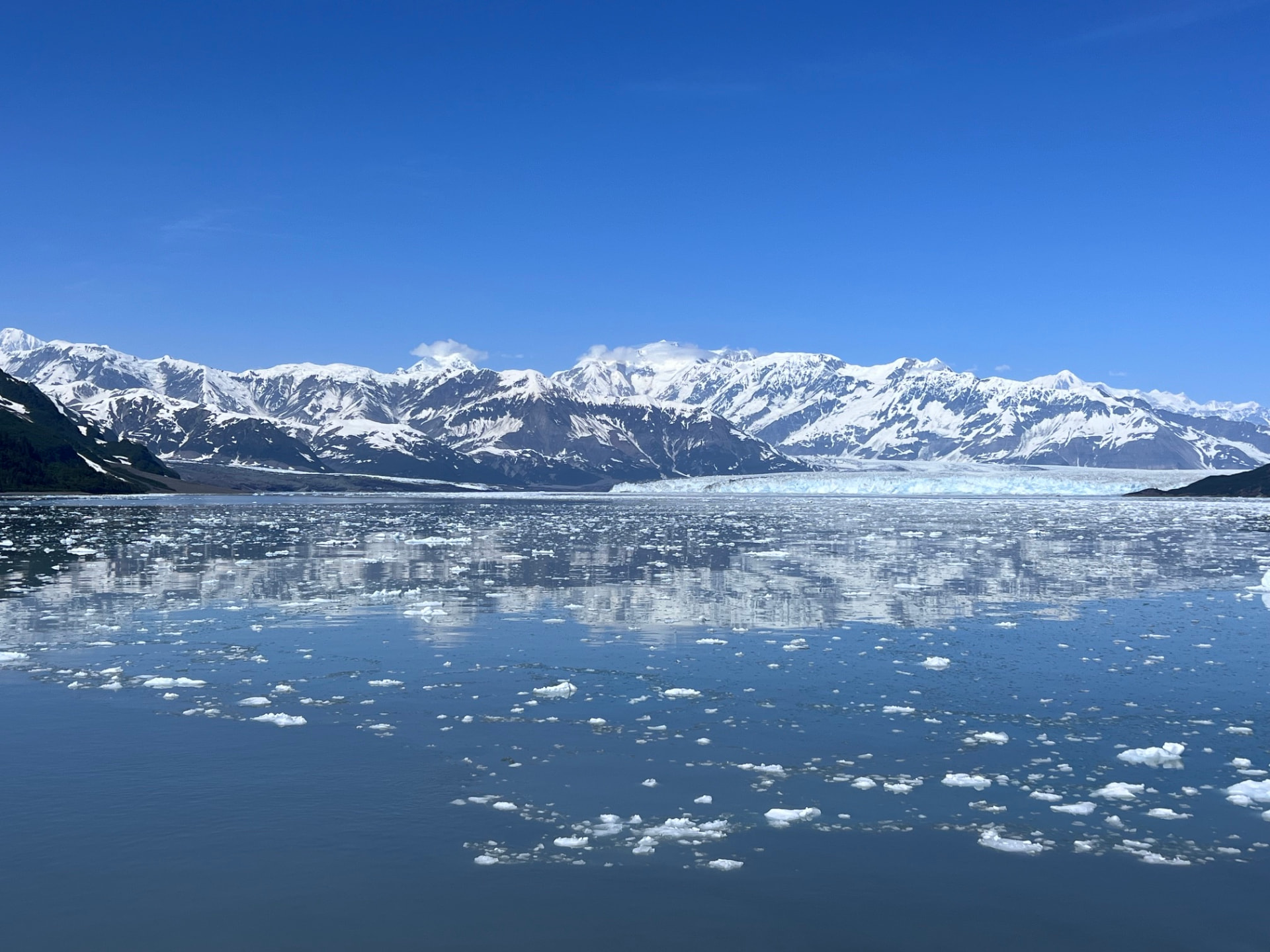
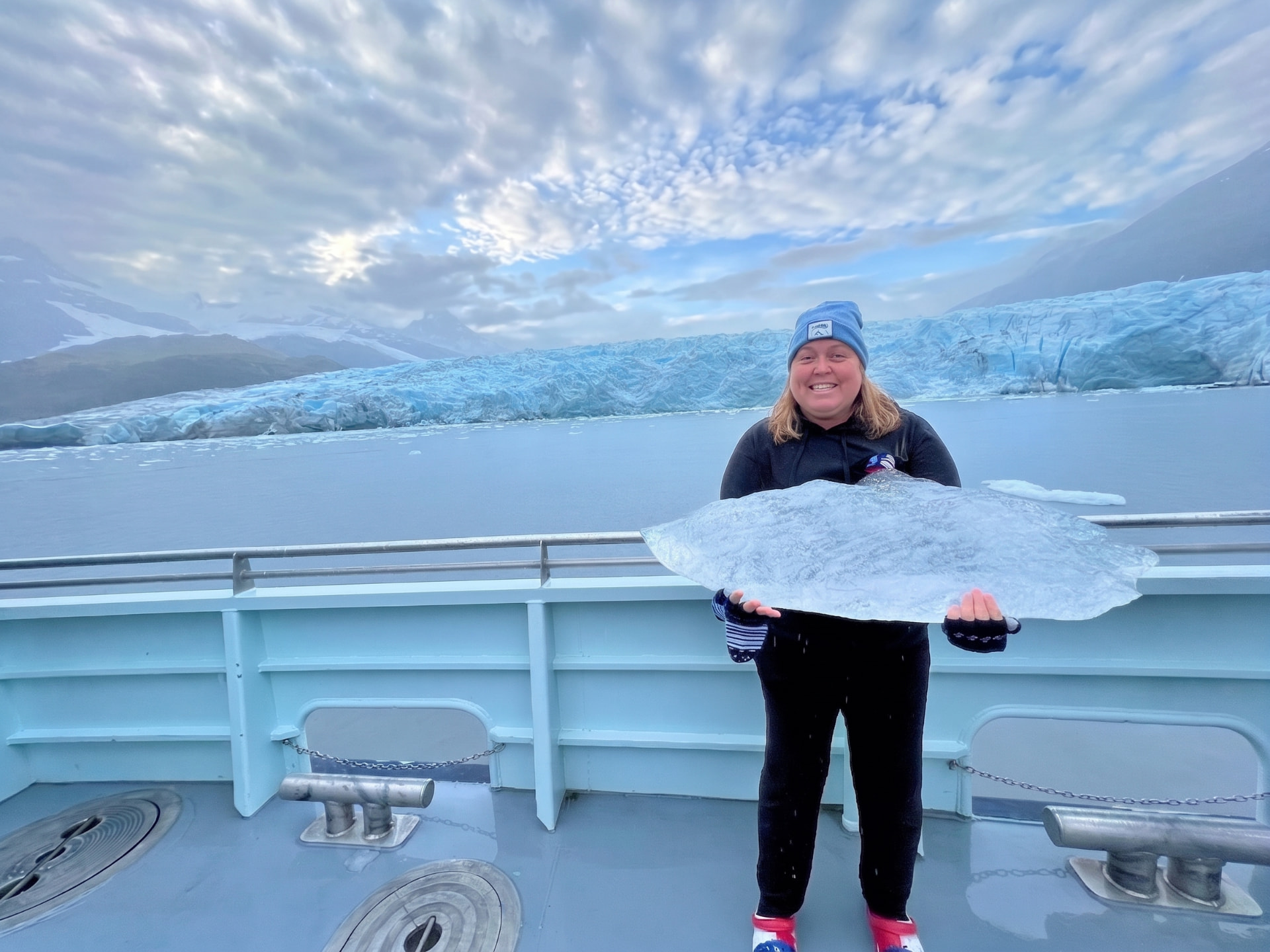
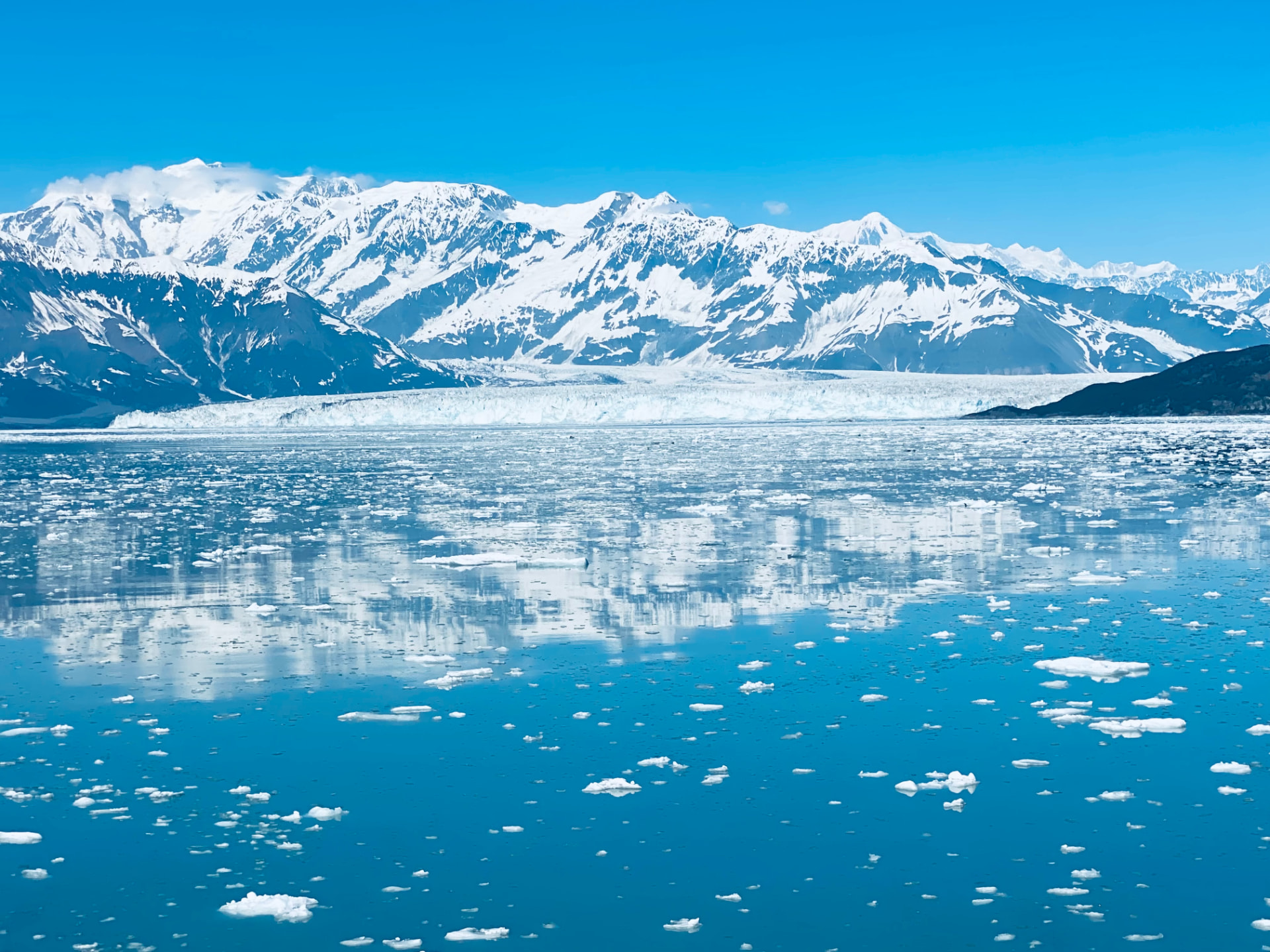
Which glacier you'll see, and how. Not every Alaska cruise visits the same glacier, and not every cruise gets equally close. Some itineraries include Glacier Bay National Park specifically, others visit Hubbard Glacier, and the experience of each is genuinely different. I check this first, since it's often the single biggest reason someone wants to go to Alaska in the first place.
How much time you actually get in port. A port listed on the itinerary doesn't tell you how many hours you'll have there. Some stops give you a full day, others give you a handful of hours before the ship moves on. If an excursion matters to you, the time in port needs to support it.
Whether the route supports a land extension. Round-trip itineraries return to the same port, which is simpler logistically but doesn't naturally connect to Interior Alaska. One-way itineraries, sailing between Vancouver or Seattle and Seward or Whittier, open the door to Denali, Fairbanks, and the Alaska Railroad, but that only works if the timing and direction actually line up with what you want to add.
The realistic pace. An itinerary with back-to-back port days feels very different from one with a sea day built in. I look at how the days are actually paced, not just how many ports are listed.
Departure city and flights. Seattle feels like the obvious, convenient choice, but it isn't automatically the right one. Vancouver can open up different routing and land-combination options. This is worth understanding before flights get booked, not after.
Why this matters more than the ship
I've sailed Alaska six times, on different ships, different routes, different times of year. The ship has never been what made or broke a trip. The itinerary did.
A large ship with excellent amenities on a route that skips the glacier you actually wanted to see is a disappointing trip with a nice pool deck. A smaller, simpler ship on the right itinerary, with real time in the right places, is the trip people remember.
That's why itinerary comes first in every Alaska conversation I have with a client. Once we know the itinerary that actually fits what someone wants, choosing the ship becomes a much easier, much shorter conversation.
Related Alaska planning guides
- Read the field note: Should You Add a Land Tour to Your Alaska Cruise?
- Read the field note: Is a One-Way or Round-Trip Alaska Cruise Better?
- Read the field note: Small Ship or Large Ship? How to Choose the Right Cruise Size
- Read the field note: Glacier Bay vs. Hubbard Glacier: Which Alaska Cruise Experience Is Better?