Choose a one-way Alaska cruise when you want to connect the sailing with a real Alaska land journey and are comfortable with more complicated logistics. Choose round-trip when simplicity, airfare, and an easy same-port start and finish matter more.
This decision changes far more than where you board the ship. It can determine how much of Alaska you can add before or after the cruise, how the route works, and how complicated the trip becomes.
After many Alaska trips and numerous client itineraries, I know this is one of the choices that changes the shape of the whole journey.
You're not just choosing where the cruise starts and ends. You're choosing how much Alaska you can realistically experience.
I prefer a northbound one-way Alaska cruise for travelers who have the time. The route begins in the green woodlands around Vancouver and builds toward the mountains, ice, and glaciers of Southcentral Alaska.
A round-trip cruise is easier to manage. It works well for first-time cruisers, families with limited vacation time, and anyone who wants to experience Alaska within a 7-night itinerary.
Both work. They tell different versions of the Alaska story.
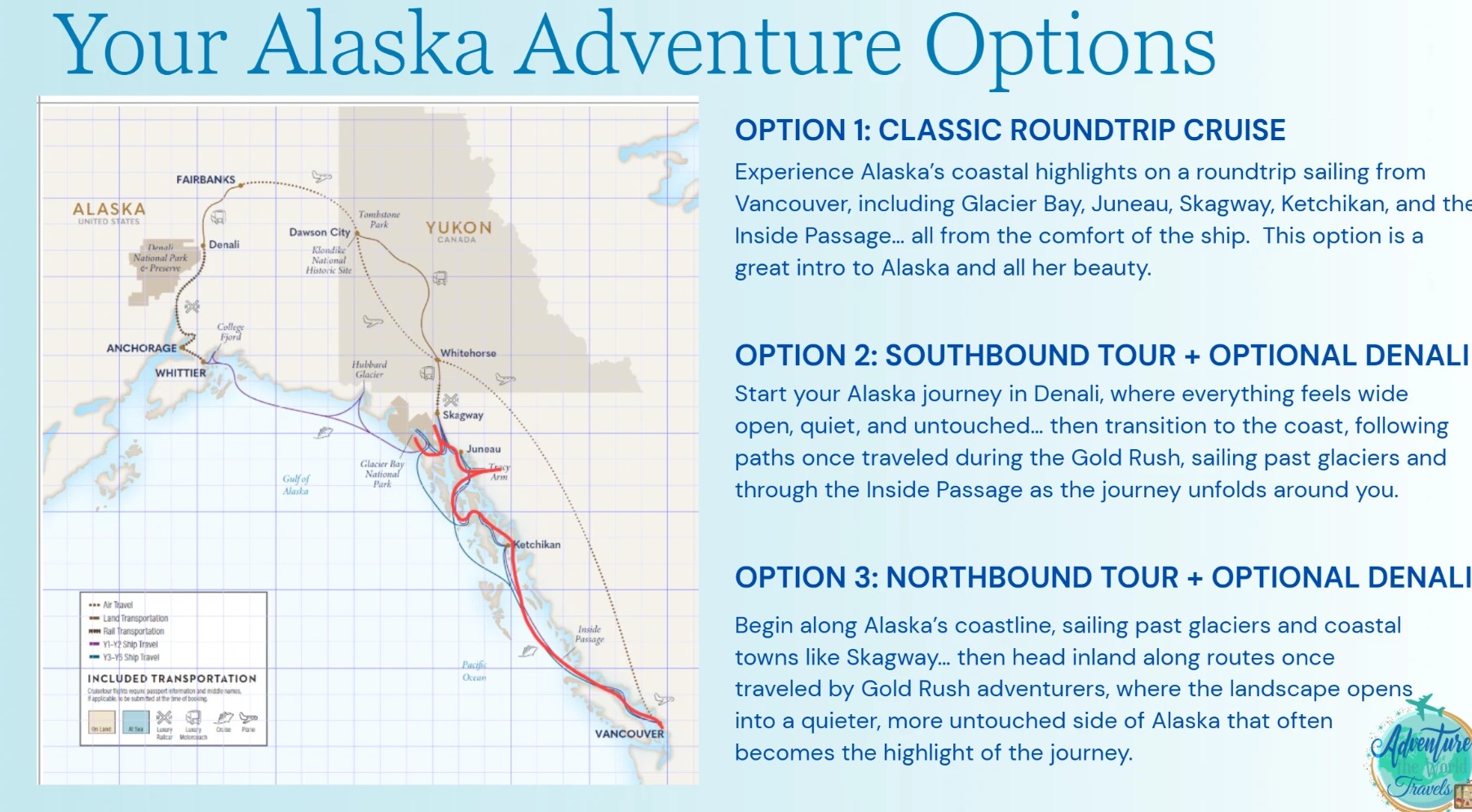
What is a round-trip Alaska cruise?
A round-trip Alaska cruise begins and ends in the same city, usually Seattle or Vancouver. Most itineraries last 7 nights and travel through Southeast Alaska.
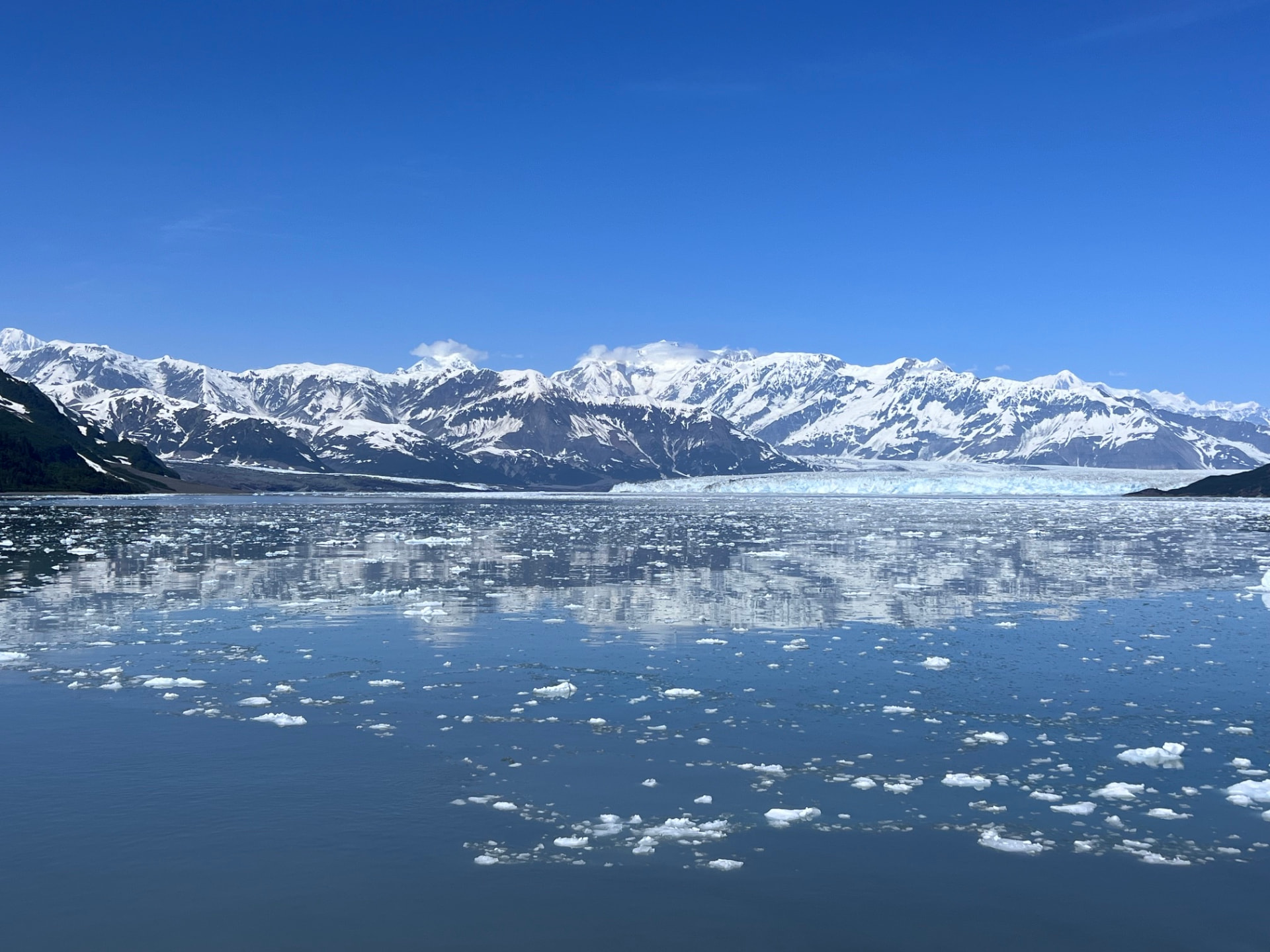
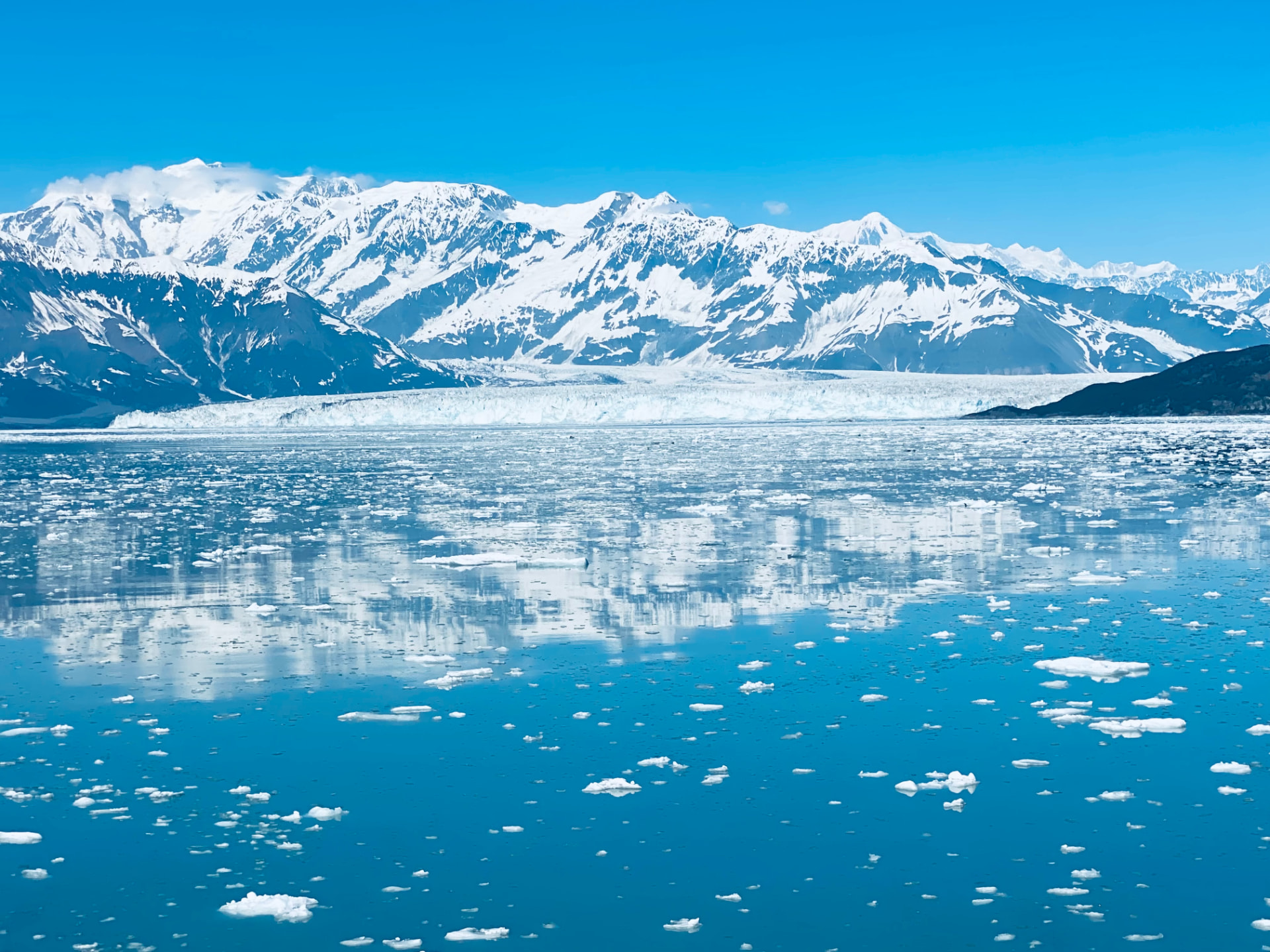
Common ports include Juneau, Ketchikan, Skagway, Sitka, and Icy Strait Point. The cruise may also include Glacier Bay National Park, Hubbard Glacier, or another glacier-viewing area.
At the end of the week, the ship returns to its original departure port. That makes the flights easier to arrange, especially for travelers flying from Texas or Florida.
My mother chose a round-trip Vancouver sailing for her first cruise. It gave her time to learn how cruising worked while experiencing Alaska at a comfortable pace.
We boarded and disembarked in the same city. We unpacked once. Every evening, she returned to the same cabin and familiar surroundings.
That was the right trip for her.
Who should choose a round-trip Alaska cruise?
I recommend considering round-trip when:
- This is your first cruise
- You have about 7 to 9 days
- You prefer simpler flights
- You want to begin and end in the same city
- Someone in your party has limited stamina
- You're traveling with several generations
- You want glaciers, wildlife excursions, and coastal Alaska
- You plan to save Interior Alaska for another vacation
Round-trip cruises also work when vacation days are tight. You can fly into Seattle or Vancouver, spend a night before the cruise, sail for 7 nights, and return from the same airport.
The itinerary still matters.
When I'm helping a client choose a round-trip sailing, I look closely at the glacier-viewing day, port times, route, and ship. I strongly prefer a round-trip itinerary that includes Glacier Bay when the dates, cruise line, and traveler are a good match.
Glacier Bay is one part of the decision. Some travelers may be better served by an itinerary that includes Hubbard Glacier or another glacier area.
What is a one-way Alaska cruise?
A one-way Alaska cruise, sometimes called a cross-gulf cruise, travels between Vancouver or Seattle and Southcentral Alaska.
Most ships use Seward or Whittier as the northern port. Travelers then continue by train, motorcoach, private transfer, or rental car to Anchorage and other parts of Alaska.
A northbound cruise travels toward Alaska. A southbound cruise begins in Alaska and ends in Vancouver or Seattle.
These routes create a natural connection to a land journey. You can add Anchorage, Portage Glacier, Kenai Fjords, Talkeetna, Denali, Fairbanks, or other inland destinations based on your time and interests.
The State of Alaska's cross-gulf cruise itinerary shows how ships continue beyond Southeast Alaska to Seward or Whittier.
Why I prefer sailing northbound
I've sailed from Vancouver toward Alaska and from Alaska south to Vancouver. My personal preference is northbound.
That direction tells the story in the order I like best.
You begin among the wooded islands and coastal communities surrounding Vancouver and the Inside Passage. The terrain changes as the ship moves north. The mountains become sharper. Snow and ice become more prominent. Then you cross the Gulf of Alaska and reach the glaciers and mountains surrounding Southcentral Alaska.
The experience builds.
And once the cruise ends, you're already positioned to continue into Anchorage or Interior Alaska. You can visit Portage Glacier, travel toward Denali, or spend more time looking for wildlife.
The exact opportunities depend on the season. Salmon runs, daylight, wildlife movement, and weather change throughout the Alaska cruise season. Late-season travelers may have a chance to see the northern lights, though sightings during cruise season are never guaranteed.
For me, northbound feels like watching Alaska reveal itself mile by mile.
When does southbound make sense?
A southbound cruise begins with the land portion or a stay in Southcentral Alaska. You then board the ship in Seward or Whittier and sail toward Vancouver or Seattle.
Many travelers enjoy completing the more active land days first. Boarding the ship gives them a chance to unpack and settle into one room for the rest of the trip.
Southbound may also fit better because of airfare, cruise availability, vacation dates, or the land itinerary.
The story runs in reverse. You begin among the mountains and glaciers, then follow the coast toward the greener forests of the Inside Passage and British Columbia.
I let the complete itinerary determine the direction. A strong southbound trip beats a poorly timed northbound trip every time.
Who should consider a one-way cruise?
I recommend looking seriously at one-way itineraries when:
- You have 10 to 14 days or longer
- Denali or Interior Alaska matters to you
- You want to cross the Gulf of Alaska
- You're comfortable using different arrival and departure airports
- You want time in Anchorage or Southcentral Alaska
- You've already taken a round-trip Alaska cruise
- You picture glaciers, mountains, wildlife, and inland Alaska as part of the same vacation
Travelers with a strong vision of Alaska should compare the one-way options before booking.
A one-way cruise requires more planning. Flights may involve multiple cities. Seward and Whittier require transportation to or from Anchorage. A land itinerary adds hotels, meals, activities, and more travel time.
Those extra pieces can produce a fuller Alaska experience when the pacing works.
Deciding on the route itself? Read How to Choose the Best Alaska Cruise Itinerary.
Does a one-way cruise guarantee more wildlife?
Wildlife sightings depend on timing, location, weather, and plain luck.
A land journey creates more opportunities to visit inland habitats, national parks, salmon streams, and areas known for bear viewing. The cruise also provides opportunities to see whales, sea lions, eagles, and bears along the coast.
I plan around the best available opportunities. Nature keeps the final decision.
Anyone promising a specific bear, whale, or northern lights sighting is promising something they can't control.
Which option costs more?
Round-trip cruises usually make the surrounding travel easier to budget. You can use the same airport before and after the cruise, and you may only need 1 pre-cruise hotel.
A one-way journey may include:
- Multi-city airfare
- Transportation between Anchorage and Seward or Whittier
- Additional hotels
- Train or motorcoach tickets
- Meals during the land portion
- Inland tours and activities
- More vacation days
The cruise fare only tells part of the story. I compare the total trip cost before recommending one route.
My recommendation
Choose round-trip for a manageable 7-night introduction to Alaska. Look closely at the glacier-viewing day, time in port, ship, and departure city.
Choose one-way when you want Alaska to extend beyond the Inside Passage. Give yourself enough time to connect the cruise with Southcentral or Interior Alaska.
My personal choice is northbound from Vancouver. I love the progression from green coastal forests to the mountains and glaciers farther north.
Scheduling sometimes points southbound. That direction can create an excellent trip, especially when the active land days come first and the cruise finishes the vacation.
For a deeper look at the land decision, read Should You Add a Land Tour to Your Alaska Cruise?.